Blogs
Blogs
Blogs


95% of cases now involve digital evidence—Is India truly ready for it today and beyond at scale?
95% of cases now involve digital evidence—Is India truly ready for it today and beyond at scale?
95% of cases now involve digital evidence—Is India truly ready for it today and beyond at scale?
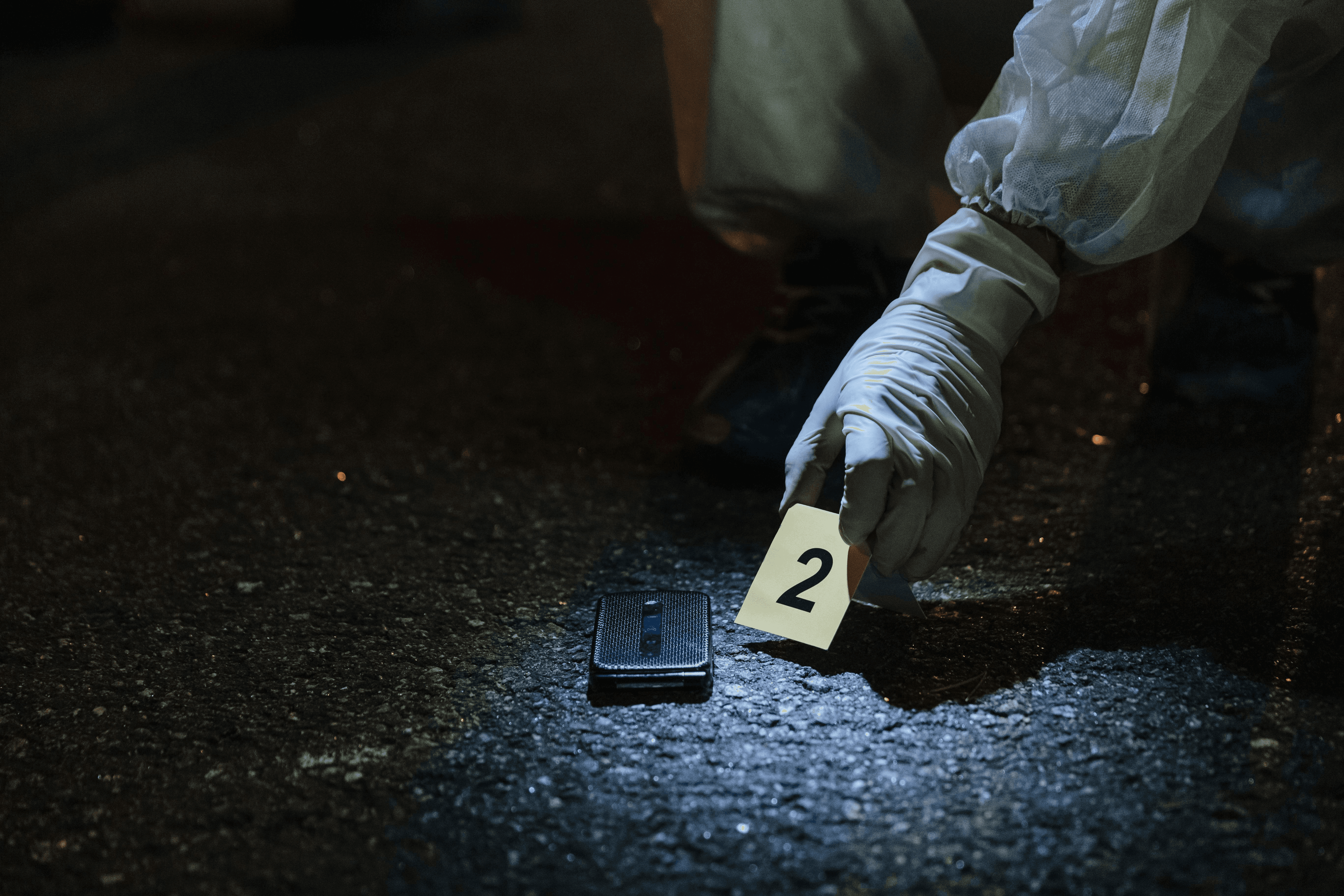
That "95% of criminal cases involve digital evidence" statistic gets cited constantly. It's an industry estimate — originally popularized by forensic tool vendors like Cellebrite — and depending on the source, the figure lands anywhere from 90% to 97%. The exact number matters less than what it represents: virtually every serious investigation now depends on data pulled from phones, laptops, or cloud accounts. Mobile forensics has moved from a niche specialism to the centre of criminal investigation in India.
The real question isn't whether digital evidence matters. Obviously it does. The question is whether India's forensic labs, mobile forensics tools, and investigating officers can actually handle the volume.
That "95% of criminal cases involve digital evidence" statistic gets cited constantly. It's an industry estimate — originally popularized by forensic tool vendors like Cellebrite — and depending on the source, the figure lands anywhere from 90% to 97%. The exact number matters less than what it represents: virtually every serious investigation now depends on data pulled from phones, laptops, or cloud accounts. Mobile forensics has moved from a niche specialism to the centre of criminal investigation in India.
The real question isn't whether digital evidence matters. Obviously it does. The question is whether India's forensic labs, mobile forensics tools, and investigating officers can actually handle the volume.
That "95% of criminal cases involve digital evidence" statistic gets cited constantly. It's an industry estimate — originally popularized by forensic tool vendors like Cellebrite — and depending on the source, the figure lands anywhere from 90% to 97%. The exact number matters less than what it represents: virtually every serious investigation now depends on data pulled from phones, laptops, or cloud accounts. Mobile forensics has moved from a niche specialism to the centre of criminal investigation in India.
The real question isn't whether digital evidence matters. Obviously it does. The question is whether India's forensic labs, mobile forensics tools, and investigating officers can actually handle the volume.
Share Article
Share Article
Published
Published
Published
April 2, 2026
April 2, 2026
April 2, 2026
Category
Category
Category
Industry
Industry
Industry
6 Min Read
6 Min Read
6 Min Read
India's forensic labs can't keep up with digital evidence volume
India's forensic labs can't keep up with digital evidence volume
India's forensic labs can't keep up with digital evidence volume
India has 32 state Forensic Science Laboratories. Most of them were built for traditional forensics: ballistics, toxicology, DNA. The digital forensics divisions, where they exist, tend to be the newest and least resourced departments.
Meanwhile, cybercrime complaints to the National Cyber Crime Reporting Portal hit over 22 lakh in 2024 alone — nearly five times the number from three years back. And that's only the cybercrime-specific cases. Regular cases like theft, assault, and murder now routinely hinge on WhatsApp chats, call records, UPI transactions, location data. Every one of those phones landing on an examiner's desk needs mobile forensic extraction, analysis, and reporting that holds up in court.
That last part is where things fall apart.
India has 32 state Forensic Science Laboratories. Most of them were built for traditional forensics: ballistics, toxicology, DNA. The digital forensics divisions, where they exist, tend to be the newest and least resourced departments.
Meanwhile, cybercrime complaints to the National Cyber Crime Reporting Portal hit over 22 lakh in 2024 alone — nearly five times the number from three years back. And that's only the cybercrime-specific cases. Regular cases like theft, assault, and murder now routinely hinge on WhatsApp chats, call records, UPI transactions, location data. Every one of those phones landing on an examiner's desk needs mobile forensic extraction, analysis, and reporting that holds up in court.
That last part is where things fall apart.
India has 32 state Forensic Science Laboratories. Most of them were built for traditional forensics: ballistics, toxicology, DNA. The digital forensics divisions, where they exist, tend to be the newest and least resourced departments.
Meanwhile, cybercrime complaints to the National Cyber Crime Reporting Portal hit over 22 lakh in 2024 alone — nearly five times the number from three years back. And that's only the cybercrime-specific cases. Regular cases like theft, assault, and murder now routinely hinge on WhatsApp chats, call records, UPI transactions, location data. Every one of those phones landing on an examiner's desk needs mobile forensic extraction, analysis, and reporting that holds up in court.
That last part is where things fall apart.
BSA 2023 Section 63 changed electronic evidence admissibility rules
BSA 2023 Section 63 changed electronic evidence admissibility rules
BSA 2023 Section 63 changed electronic evidence admissibility rules
The Bharatiya Sakshya Adhiniyam 2023 replaced the Indian Evidence Act, and Section 63 now governs electronic evidence admissibility in Indian courts. The requirements are specific:
A compliance certificate must accompany electronic evidence at every instance. It must identify the electronic record, describe how it was produced, name the device with identifiers like IMEI, and include hash values with the algorithm used (MD5, SHA-256, or other). It needs signatures from both a responsible person and an expert.
The Supreme Court locked this in with Anvar P.V. v. P.K. Basheer (2014) and reinforced it in Arjun Panditrao Khotkar (2020): no certificate, no admissibility. No exceptions.
What this means practically: forensic labs can't just extract data and hand over a printout anymore. Section 63 compliance requires hash verification at every step, device identifiers documented, and a clear chain from seizure to report. How many state FSLs have standardized workflows for this? How many investigating officers even know what a hash value is?
I'd guess fewer than you'd want to believe.
The Bharatiya Sakshya Adhiniyam 2023 replaced the Indian Evidence Act, and Section 63 now governs electronic evidence admissibility in Indian courts. The requirements are specific:
A compliance certificate must accompany electronic evidence at every instance. It must identify the electronic record, describe how it was produced, name the device with identifiers like IMEI, and include hash values with the algorithm used (MD5, SHA-256, or other). It needs signatures from both a responsible person and an expert.
The Supreme Court locked this in with Anvar P.V. v. P.K. Basheer (2014) and reinforced it in Arjun Panditrao Khotkar (2020): no certificate, no admissibility. No exceptions.
What this means practically: forensic labs can't just extract data and hand over a printout anymore. Section 63 compliance requires hash verification at every step, device identifiers documented, and a clear chain from seizure to report. How many state FSLs have standardized workflows for this? How many investigating officers even know what a hash value is?
I'd guess fewer than you'd want to believe.
The Bharatiya Sakshya Adhiniyam 2023 replaced the Indian Evidence Act, and Section 63 now governs electronic evidence admissibility in Indian courts. The requirements are specific:
A compliance certificate must accompany electronic evidence at every instance. It must identify the electronic record, describe how it was produced, name the device with identifiers like IMEI, and include hash values with the algorithm used (MD5, SHA-256, or other). It needs signatures from both a responsible person and an expert.
The Supreme Court locked this in with Anvar P.V. v. P.K. Basheer (2014) and reinforced it in Arjun Panditrao Khotkar (2020): no certificate, no admissibility. No exceptions.
What this means practically: forensic labs can't just extract data and hand over a printout anymore. Section 63 compliance requires hash verification at every step, device identifiers documented, and a clear chain from seizure to report. How many state FSLs have standardized workflows for this? How many investigating officers even know what a hash value is?
I'd guess fewer than you'd want to believe.
Why international mobile forensics tools fall short in India
Why international mobile forensics tools fall short in India
Why international mobile forensics tools fall short in India
India's forensic labs have historically relied on expensive international tools (Cellebrite, Magnet AXIOM) or manual analysis with SQLite Browser. The international tools work. But the baggage is real.
They're expensive. Annual licenses run several lakhs per seat, with advanced capabilities costing much more. Equip five workstations at a state FSL and you're looking at a serious recurring budget in foreign currency.
Indian app coverage is poor. These tools are built for global apps. Paytm, PhonePe, GPay, Arattai? Poorly supported or unsupported. That matters when UPI payment forensics is becoming a core part of financial crime investigation in India.
Update cycles are painfully slow. When a new app version breaks a parser, international vendors can take 6-8 months to ship a fix. Indian app ecosystems move weekly. Months of blind spots is months of missed evidence.
Strategic dependency. Relying on foreign software for national security investigations is a risk that doesn't get enough attention. Licenses can be revoked. Geopolitics can disrupt access. (We dig into this more in our post on why indigenous forensic tools matter for India.
The manual alternative, examiners opening raw databases in SQLite Browser, doesn't scale. It needs deep technical expertise most FSL staff don't have, and it's painfully slow.
India's forensic labs have historically relied on expensive international tools (Cellebrite, Magnet AXIOM) or manual analysis with SQLite Browser. The international tools work. But the baggage is real.
They're expensive. Annual licenses run several lakhs per seat, with advanced capabilities costing much more. Equip five workstations at a state FSL and you're looking at a serious recurring budget in foreign currency.
Indian app coverage is poor. These tools are built for global apps. Paytm, PhonePe, GPay, Arattai? Poorly supported or unsupported. That matters when UPI payment forensics is becoming a core part of financial crime investigation in India.
Update cycles are painfully slow. When a new app version breaks a parser, international vendors can take 6-8 months to ship a fix. Indian app ecosystems move weekly. Months of blind spots is months of missed evidence.
Strategic dependency. Relying on foreign software for national security investigations is a risk that doesn't get enough attention. Licenses can be revoked. Geopolitics can disrupt access. (We dig into this more in our post on why indigenous forensic tools matter for India.
The manual alternative, examiners opening raw databases in SQLite Browser, doesn't scale. It needs deep technical expertise most FSL staff don't have, and it's painfully slow.
India's forensic labs have historically relied on expensive international tools (Cellebrite, Magnet AXIOM) or manual analysis with SQLite Browser. The international tools work. But the baggage is real.
They're expensive. Annual licenses run several lakhs per seat, with advanced capabilities costing much more. Equip five workstations at a state FSL and you're looking at a serious recurring budget in foreign currency.
Indian app coverage is poor. These tools are built for global apps. Paytm, PhonePe, GPay, Arattai? Poorly supported or unsupported. That matters when UPI payment forensics is becoming a core part of financial crime investigation in India.
Update cycles are painfully slow. When a new app version breaks a parser, international vendors can take 6-8 months to ship a fix. Indian app ecosystems move weekly. Months of blind spots is months of missed evidence.
Strategic dependency. Relying on foreign software for national security investigations is a risk that doesn't get enough attention. Licenses can be revoked. Geopolitics can disrupt access. (We dig into this more in our post on why indigenous forensic tools matter for India.
The manual alternative, examiners opening raw databases in SQLite Browser, doesn't scale. It needs deep technical expertise most FSL staff don't have, and it's painfully slow.
What India needs to fix its digital forensics gap
What India needs to fix its digital forensics gap
What India needs to fix its digital forensics gap
Three priorities, in order of urgency:
1. Indigenous mobile forensics tools need government backing. India's defence and space sectors invest heavily in self-reliance. Digital forensics deserves the same treatment. Companies like Secfore are building tools for Indian investigations: supporting Indian apps, priced for Indian budgets, listed on GeM. But the ecosystem needs more players and real government investment. The Atmanirbhar Bharat push should extend to forensic technology as urgently as it does to defence equipment.
2. Forensic lab modernization needs dedicated funding. Workstations, licensed tools, training, case management systems. The Bureau of Police Research and Development (BPR&D) needs to define baseline standards for digital forensic capability and tie funding to compliance. Most state FSLs are running on hardware and budgets from a different decade.
3. Investigating officers need basic digital evidence training. The best forensic lab can't fix evidence that was botched at the crime scene. Don't turn off the phone. Don't charge it with a data cable. Use a Faraday bag. Document chain of custody from minute one. None of this is advanced. It should be in every police training academy curriculum. The gap between what happens at seizure and what the lab needs for Section 63 compliance is where cases fall apart.
Three priorities, in order of urgency:
1. Indigenous mobile forensics tools need government backing. India's defence and space sectors invest heavily in self-reliance. Digital forensics deserves the same treatment. Companies like Secfore are building tools for Indian investigations: supporting Indian apps, priced for Indian budgets, listed on GeM. But the ecosystem needs more players and real government investment. The Atmanirbhar Bharat push should extend to forensic technology as urgently as it does to defence equipment.
2. Forensic lab modernization needs dedicated funding. Workstations, licensed tools, training, case management systems. The Bureau of Police Research and Development (BPR&D) needs to define baseline standards for digital forensic capability and tie funding to compliance. Most state FSLs are running on hardware and budgets from a different decade.
3. Investigating officers need basic digital evidence training. The best forensic lab can't fix evidence that was botched at the crime scene. Don't turn off the phone. Don't charge it with a data cable. Use a Faraday bag. Document chain of custody from minute one. None of this is advanced. It should be in every police training academy curriculum. The gap between what happens at seizure and what the lab needs for Section 63 compliance is where cases fall apart.
Three priorities, in order of urgency:
1. Indigenous mobile forensics tools need government backing. India's defence and space sectors invest heavily in self-reliance. Digital forensics deserves the same treatment. Companies like Secfore are building tools for Indian investigations: supporting Indian apps, priced for Indian budgets, listed on GeM. But the ecosystem needs more players and real government investment. The Atmanirbhar Bharat push should extend to forensic technology as urgently as it does to defence equipment.
2. Forensic lab modernization needs dedicated funding. Workstations, licensed tools, training, case management systems. The Bureau of Police Research and Development (BPR&D) needs to define baseline standards for digital forensic capability and tie funding to compliance. Most state FSLs are running on hardware and budgets from a different decade.
3. Investigating officers need basic digital evidence training. The best forensic lab can't fix evidence that was botched at the crime scene. Don't turn off the phone. Don't charge it with a data cable. Use a Faraday bag. Document chain of custody from minute one. None of this is advanced. It should be in every police training academy curriculum. The gap between what happens at seizure and what the lab needs for Section 63 compliance is where cases fall apart.
India's digital forensics market is growing — but the window is closing
India's digital forensics market is growing — but the window is closing
India's digital forensics market is growing — but the window is closing
India's digital forensics market is growing at 20%+ annually according to industry estimates. The government is investing in cyber infrastructure. GeM makes forensic tool procurement more transparent. A new generation of Indian forensic companies is building solutions that fit Indian realities.
The evidence is there. The legal framework is in place. Whether the infrastructure, tools, and training catch up before the backlog becomes unmanageable — that's what will determine if India's criminal justice system can handle the digital age.
Secfore is India's indigenous mobile forensics platform — built for Indian law enforcement, supporting Indian apps, listed on GeM. Learn more about how we're closing the digital evidence gap.
India's digital forensics market is growing at 20%+ annually according to industry estimates. The government is investing in cyber infrastructure. GeM makes forensic tool procurement more transparent. A new generation of Indian forensic companies is building solutions that fit Indian realities.
The evidence is there. The legal framework is in place. Whether the infrastructure, tools, and training catch up before the backlog becomes unmanageable — that's what will determine if India's criminal justice system can handle the digital age.
Secfore is India's indigenous mobile forensics platform — built for Indian law enforcement, supporting Indian apps, listed on GeM. Learn more about how we're closing the digital evidence gap.
India's digital forensics market is growing at 20%+ annually according to industry estimates. The government is investing in cyber infrastructure. GeM makes forensic tool procurement more transparent. A new generation of Indian forensic companies is building solutions that fit Indian realities.
The evidence is there. The legal framework is in place. Whether the infrastructure, tools, and training catch up before the backlog becomes unmanageable — that's what will determine if India's criminal justice system can handle the digital age.
Secfore is India's indigenous mobile forensics platform — built for Indian law enforcement, supporting Indian apps, listed on GeM. Learn more about how we're closing the digital evidence gap.
Related Articles
Technical
March 31, 2026
Technical
April 4, 2026
Industry
April 6, 2026
Related Articles
Technical
March 31, 2026
Technical
April 4, 2026
Industry
April 6, 2026
Related Articles
Technical
March 31, 2026
Technical
April 4, 2026
Industry
April 6, 2026
FAQ
FAQ
FAQ
Frequently Asked Questions
Frequently Asked Questions
Frequently Asked Questions
Find quick, straightforward answers to the most frequently asked questions.
Find quick, straightforward answers to the most frequently asked questions.
Find quick, straightforward answers to the most frequently asked questions.
What is BSA 2023 Section 63?
How many forensic labs does India have?
Why do international mobile forensics tools struggle in India?
What is the digital forensics market size in India?
What happens if electronic evidence is presented without a Section 63 certificate?
What is BSA 2023 Section 63?
How many forensic labs does India have?
Why do international mobile forensics tools struggle in India?
What is the digital forensics market size in India?
What happens if electronic evidence is presented without a Section 63 certificate?
What is BSA 2023 Section 63?
How many forensic labs does India have?
Why do international mobile forensics tools struggle in India?
What is the digital forensics market size in India?
What happens if electronic evidence is presented without a Section 63 certificate?
Blogs & Insights
Blogs & Insights
Blogs & Insights
Insights, Updates, and Tips for Mobile Forensics
Insights, Updates, and Tips for Mobile Forensics
Insights, Updates, and Tips for Mobile Forensics
Stay ahead of the curve with expert insights, product updates, and practical tips tailored for mobile forensics professionals.
Stay ahead of the curve with expert insights, product updates, and practical tips tailored for mobile forensics professionals.
Stay ahead of the curve with expert insights, product updates, and practical tips tailored for mobile forensics professionals.
Secure & Scalable Infrastructure
Secure & Scalable Infrastructure
Secure & Scalable Infrastructure
Ready to Transform Your
Forensic Capabilities?
Ready to Transform Your
Forensic Capabilities?
Ready to Transform Your
Forensic Capabilities?
Experience the power of a proven digital forensics platform built for real-world
investigations. Get hands-on with advanced extraction.
Experience the power of a proven digital forensics platform built for real-world
investigations. Get hands-on with advanced extraction.
Experience the power of a proven digital forensics platform built for real-world
investigations. Get hands-on with advanced extraction.
Request a Demo
Request a Demo
Request a Demo